Unmasking Stachelhaare Krankheit: Could Okra Be the Culprit Behind Your Skin Irritation?
Many of us cherish the versatility and nutritional benefits of okra, a staple in various cuisines worldwide. However, for a surprising number of individuals, what begins as a simple touch or harvest of this beloved vegetable can quickly escalate into an uncomfortable skin reaction. This often-overlooked phenomenon is what we might term "Stachelhaare Krankheit" – a condition referring to the irritation caused by the "stinging hairs" of certain plants, with okra being a prime suspect. If you've ever experienced unexplained itching, redness, or a rash after handling fresh okra, you're not alone, and understanding this "disease of stinging hairs" is crucial for prevention and peace of mind.
The term Stachelhaare Krankheit, translating from German as "stinging hair disease" or "thorn hair disease," perfectly encapsulates the discomfort associated with coming into contact with plants equipped with fine, irritating trichomes or hairs. While various plants can cause such reactions, okra (Abelmoschus esculentus), affectionately known as "lady's finger," is a particularly common trigger. This article delves into the specifics of okra-induced contact dermatitis, offering insights into its causes, symptoms, and most importantly, how to prevent and manage the condition to ensure your gardening and culinary pursuits remain enjoyable.
The Hidden Irritant: Okra's Stinging Hairs and Contact Dermatitis
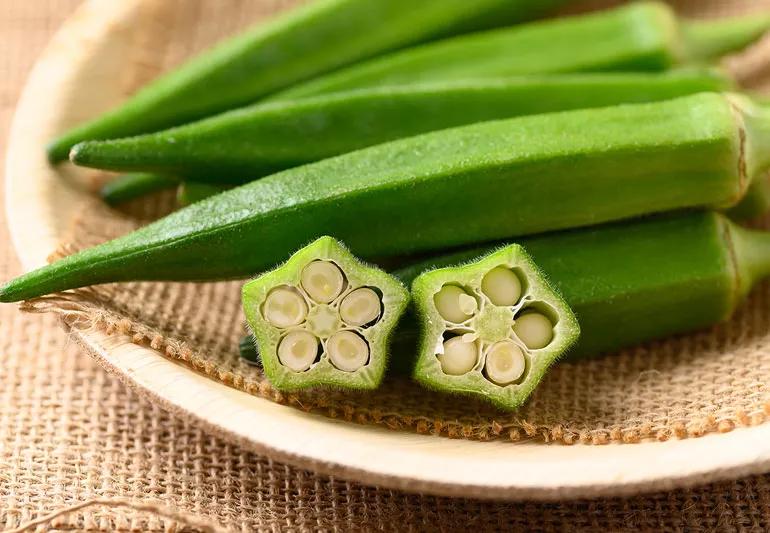
The delicious pods of the okra plant, recognized by their vibrant green hue and distinctive shape, hide a secret that can cause distress to sensitive skin. These pods, along with the stems and leaves, are covered in microscopic, bristle-like structures known as trichomes or, more descriptively, "stinging hairs." While often too small to be easily seen with the naked eye, these hairs are the primary cause of what is commonly diagnosed as irritant contact dermatitis.
When these tiny, rigid hairs come into contact with human skin, they can physically embed themselves into the epidermis. This mechanical irritation triggers a localized inflammatory response, leading to the characteristic symptoms of contact dermatitis. It's not typically an allergic reaction, which involves the immune system, but rather a direct physical and sometimes chemical irritation of the skin barrier. The severity of the reaction can vary greatly among individuals, depending on their skin sensitivity, the duration of contact, and the number of hairs encountered.
It's important to differentiate this from allergic reactions. While true allergic contact dermatitis to okra is possible, the more common reaction associated with its "stinging hairs" is irritant contact dermatitis. This means almost anyone can experience some level of irritation if exposed sufficiently, regardless of prior sensitization. Understanding this distinction is key to effective prevention and treatment.
Recognizing the Symptoms of Okra-Induced Skin Irritation
Identifying okra-induced skin irritation, or Stachelhaare Krankheit, is relatively straightforward if you've recently handled the plant. The symptoms typically appear shortly after exposure, usually within minutes to a few hours, and are localized to the areas of skin that came into contact with the okra plant or pods. Common signs include:
- Redness (Erythema): The affected skin area will become visibly red.
- Itching (Pruritus): Intense itching is one of the most common and bothersome symptoms.
- Rash or Bumps: Small, red bumps (papules) or a more generalized rash may develop. In some cases, tiny blisters might form.
- Burning Sensation: A mild to moderate burning or stinging sensation can accompany the itching.
- Swelling: The irritated area might become slightly swollen.
These symptoms can range from mild annoyance to significant discomfort, depending on individual sensitivity and exposure. The hands, forearms, and any other exposed skin that touched the plant are the most common sites for irritation. If you're a gardener, you might notice these symptoms more frequently during harvest season, particularly when picking mature pods. It's crucial to connect these symptoms to recent okra handling, especially if you're new to gardening or cooking with this vegetable, to correctly identify the cause of your discomfort.
Effective Prevention and Management Strategies for Stachelhaare Krankheit
Preventing Stachelhaare Krankheit when dealing with okra is largely about minimizing direct skin contact with the irritating hairs. For avid gardeners and home cooks, implementing a few simple precautions can make a significant difference:
Protecting Yourself During Harvest and Handling
- Wear Protective Gear: The most effective way to prevent irritation is to create a physical barrier. When harvesting okra or handling freshly picked pods, always wear long sleeves, gardening gloves, and even protective eyewear if you're working extensively with the plants. This prevents the hairs from embedding in your skin.
- Proper Harvesting Techniques: The reference context highlights the importance of correct harvesting. Instead of pulling the pods, which can damage the plant and potentially release more hairs, use garden shears or a sharp knife to cut the pods from the stem, leaving a small part of the stem attached to the pod. This method is not only better for the plant's health and future yield but also reduces the risk of direct contact with the bristly surfaces.
- Wash Thoroughly: After handling okra, wash your hands and any exposed skin thoroughly with soap and water. This helps to remove any hairs that may have come into contact with your skin before they can cause significant irritation.
- Handle Dried Okra with Care: While fresh okra is the primary concern, dried okra or okra powder can also contain remnants of these hairs, so exercise caution when handling.
Managing Symptoms When Irritation Occurs
If despite your best efforts, you still experience symptoms of okra-induced contact dermatitis, several steps can help alleviate the discomfort:
- Immediate Washing: As soon as you notice irritation, wash the affected area gently with soap and cool water. This can help remove any remaining hairs and soothe the skin.
- Cool Compresses: Applying a cool, damp cloth to the irritated area can provide immediate relief from itching and burning.
- Topical Creams: Over-the-counter hydrocortisone cream (1%) can help reduce inflammation and itching. Calamine lotion or aloe vera gel can also offer soothing relief.
- Antihistamines: Oral antihistamines, such as diphenhydramine (Benadryl) or loratadine (Claritin), can help control severe itching.
- Avoid Scratching: While tempting, scratching can worsen the irritation, potentially leading to skin damage or infection.
- When to See a Doctor: If the rash is severe, widespread, painful, shows signs of infection (e.g., pus, increased warmth, fever), or doesn't improve with home remedies, consult a healthcare professional. They may prescribe stronger topical corticosteroids or other medications.
By understanding the nature of Stachelhaare Krankheit and implementing these proactive measures, you can continue to enjoy the benefits of okra without the associated skin discomfort. Remember, knowledge and preparedness are your best allies in the garden and kitchen.
Cultivating Okra Safely: Best Practices for Gardeners
For those who love to grow their own okra, knowing how to cultivate and harvest safely is paramount. Okra plants themselves, not just the pods, possess these fine stinging hairs on their leaves and stems. Therefore, a comprehensive approach to gardening safety is recommended:
- Choose Your Variety Wisely: While all okra varieties can cause irritation, some are reported to have fewer or less irritating hairs. Researching "spineless" or "smooth-podded" varieties might offer a slightly reduced risk, though full protection is still advisable.
- Optimal Harvest Time: Harvest okra pods when they are young and tender, typically 2-4 inches long. Older, larger pods tend to be tougher and may have more pronounced hairs. Regular harvesting (every 1-2 days) also encourages more production.
- Tool Maintenance: Ensure your garden shears are sharp and clean. A clean cut is better for the plant and minimizes the need for excessive handling or struggling with tough stems, which could dislodge hairs.
- Post-Harvest Handling: Once harvested, place okra pods directly into a bag or basket without excessive tumbling. At home, before cooking, a quick rinse under running water can help wash away some surface hairs, though this should not replace wearing gloves during handling.
- Educate Others: If you have children helping in the garden or guests who might pick pods, educate them about the potential for skin irritation and the importance of protective gear.
Embracing these best practices allows you to enjoy the rewards of growing your own okra while significantly mitigating the risks of encountering Stachelhaare Krankheit. It transforms a potential source of irritation into a satisfying and safe gardening experience.
Conclusion
The intriguing connection between the humble okra plant and the condition we've explored as Stachelhaare Krankheit highlights an often-overlooked aspect of working with nature. While okra is a nutritious and versatile vegetable, its tiny "stinging hairs" can indeed cause uncomfortable irritant contact dermatitis. By understanding the mechanism of this irritation, recognizing its symptoms, and—most importantly—adopting preventive measures such as wearing protective clothing and employing proper harvesting techniques, you can safely cultivate, harvest, and enjoy this delightful "lady's finger." Don't let the fear of a mild rash deter you from the culinary and gardening joys of okra; instead, arm yourself with knowledge and simple precautions to keep your skin happy and healthy.