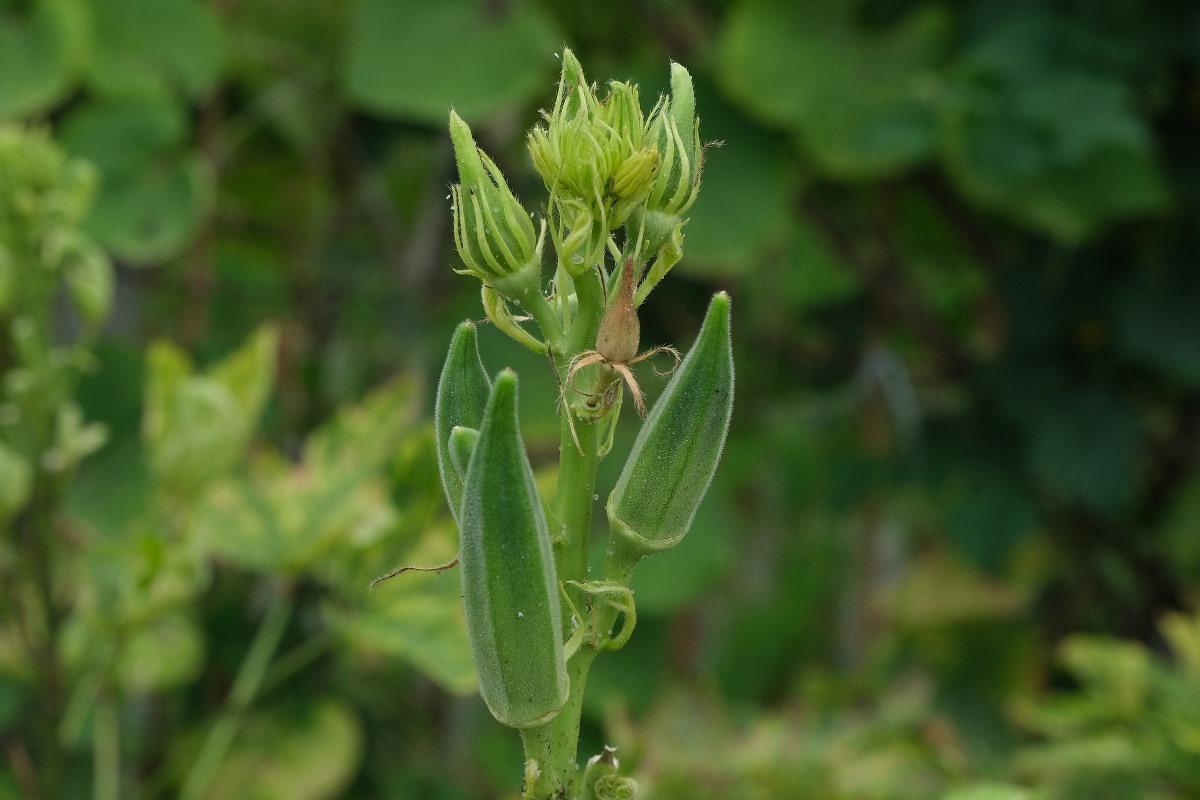
Gardening with Okra: Prevent Stinging Hair Dermatitis Effectively
Okra, often lovingly referred to as "lady's fingers," is a prized warm-weather crop cherished by home gardeners for its distinctive flavor and nutritional benefits. From gumbo to fried okra, its versatility in the kitchen is undeniable. However, beneath its charming facade and culinary appeal lies a lesser-known challenge for many growers: the presence of tiny, irritating hairs on the plants and pods that can lead to an uncomfortable skin condition commonly known as contact dermatitis, or in German,
Stachelhaare Krankheit. This article delves into understanding this irritation and, more importantly, provides comprehensive strategies to prevent stinging hair dermatitis effectively, ensuring your okra gardening remains a joyous, itch-free experience.
Understanding Stachelhaare Krankheit: The Okra Gardener's Hidden Hazard
For many who frequently interact with okra plants, touching the leaves, stems, or especially the developing pods can result in an itchy, red rash. This reaction is a classic example of irritant contact dermatitis, often referred to as
Stachelhaare Krankheit in the context of plant-induced irritation. The culprits are microscopic, bristly hairs known as trichomes that cover various parts of the okra plant. When these come into contact with sensitive skin, they can mechanically irritate, and in some cases, may even contain compounds that trigger a mild inflammatory response.
The symptoms of
Stachelhaare Krankheit typically manifest as:
- Itching: Often the first and most persistent symptom.
- Redness: The affected skin area turns visibly red.
- Rash: Small bumps or a patchy rash may appear.
- Mild swelling: The skin might feel slightly puffy.
- Burning sensation: A mild burning or stinging can also occur.
These symptoms usually appear shortly after contact and can last for several hours to a few days, depending on individual sensitivity and the extent of exposure. It's important to note that this is generally an irritant reaction, not an allergic one, meaning most people will experience some level of discomfort if they come into direct, unprotected contact with okra's stinging hairs. Understanding this risk is the first step towards effective prevention. For a deeper dive into the mechanics of this reaction, you might find
Okra Stinging Hairs: Understanding Contact Dermatitis Risk particularly insightful.
Essential Prevention Strategies: Gearing Up for Safe Okra Harvesting
The good news is that preventing
Stachelhaare Krankheit is entirely manageable with the right precautions and gardening practices. The key lies in minimizing direct skin contact with the okra plant.
1. Don Your Protective Apparel
This is your first line of defense against okra's irritating hairs. Treat okra harvesting like any task requiring skin protection:
- Long Sleeves and Pants: Always wear long-sleeved shirts and long pants made of a durable, tightly woven fabric. This creates a physical barrier between your skin and the plant.
- Gloves: High-quality gardening gloves are indispensable. Opt for thick, durable gloves, such as those made from leather, heavy canvas, or thick nitrile/rubber, that extend past the wrist. Thin latex gloves may not offer sufficient protection against the stiffer hairs.
- Eye Protection: While less common, it's possible for dislodged hairs to irritate the eyes. Wearing safety glasses or goggles is a simple yet effective precaution, especially if you're working in windy conditions or near eye level with the plants.
2. Master the Art of Harvesting with Proper Tools
The way you harvest okra can significantly impact your exposure to its stinging hairs.
- Use Sharp Pruning Shears: The reference context wisely advises using garden shears. This is crucial. Instead of pulling or twisting the pods, which can damage the plant and potentially release more irritating hairs into the air or onto your hands, use sharp pruning shears or a knife to cleanly cut the stem.
- Leave a Short Stem: When cutting, leave about an inch of the stem attached to the pod. This not only preserves the pod's freshness but also provides a "handle" for you to hold without touching the main body of the pod, where hairs might be more concentrated.
- Avoid Over-Handling: Once harvested, place the pods gently into a basket or container. Try not to rub them against your skin or carry them tucked into your arm.
3. Timing and Post-Harvest Cleanliness
Consider these additional tips to further reduce your risk:
- Harvest in Dry Conditions: Some gardeners find that hairs are less prone to sticking to skin when plants are dry. Avoid harvesting immediately after rain or heavy dew, if possible.
- Wash Thoroughly: After you've finished harvesting, wash your hands and any exposed skin thoroughly with soap and water. This helps remove any lingering hairs that might have bypassed your protective gear. A cool shower is recommended if you've had significant exposure.
- Clean Your Tools: Wipe down your shears and other tools to remove any hairs or plant sap that could later cause irritation.
Minimizing Exposure: Harvesting Okra Safely and Efficiently
Beyond basic protection, understanding the plant itself and its optimal harvesting methods is key to preventing
Stachelhaare Krankheit. Okra pods mature quickly, often needing daily harvesting during peak season.
The reference context highlights a critical point:
"To harvest okra, cut the pods from the stem with garden shears, leaving a part of the stem on the pod. Pulling off the pods can damage the plants." This advice is paramount for two reasons:
- Plant Health: Pulling or tearing pods can create open wounds on the plant, making it susceptible to diseases and reducing its overall productivity. Clean cuts promote faster healing and continued growth.
- Reduced Irritation: A clean cut minimizes the disturbance of the plant's surface, potentially reducing the release of stinging hairs into the air or onto your skin compared to the more forceful action of pulling.
When harvesting, look for pods that are bright green, tender, and generally 2-4 inches long. The reference context reminds us that "
The okra pods, also called 'lady's fingers,' should be bright green and free from shrinkage and discoloration." Larger pods tend to be tough and fibrous. By consistently harvesting at the ideal size, you encourage the plant to produce more, ensuring a steady supply while managing the risk of irritation.
Managing Symptoms of Stachelhaare Krankheit
Despite your best efforts, occasional exposure leading to
Stachelhaare Krankheit might still occur. If you find yourself with an itchy rash, here's what to do:
- Immediate Washing: As soon as you notice irritation, gently wash the affected area with cool water and mild soap. Avoid scrubbing vigorously, as this can embed the hairs deeper into the skin.
- Cold Compress: Applying a cold, wet cloth can help soothe the itching and reduce inflammation.
- Over-the-Counter Remedies:
- Hydrocortisone Cream: A 1% hydrocortisone cream can help reduce redness and itching.
- Antihistamines: Oral antihistamines (like diphenhydramine) can alleviate itching, especially if it's severe or disrupts sleep.
- Calamine Lotion or Aloe Vera: These can provide topical relief and soothe irritated skin.
- Avoid Scratching: Scratching can worsen the irritation, potentially break the skin, and lead to secondary infections.
- When to See a Doctor: If the rash spreads, becomes severely painful, shows signs of infection (pus, fever), or doesn't improve with home treatment within a few days, consult a healthcare professional.
For more detailed information on treating and recognizing the symptoms of this specific condition, you can refer to
Stachelhaare Krankheit: Is Okra Behind Your Your Skin Irritation?.
Beyond Prevention: Considering "Spineless" Okra Varieties
While all okra plants possess some degree of trichomes, some varieties are specifically bred or naturally occur with fewer or softer hairs, earning them the nickname "spineless" okra. While no okra is truly 100% spineless, these varieties can significantly reduce the risk of irritation. Popular "spineless" varieties include 'Clemson Spineless,' 'Annie Oakley II,' and 'Emerald'. If
Stachelhaare Krankheit is a recurring concern for you, choosing one of these varieties for your next growing season could be a game-changer.
Conclusion
Gardening with okra can be an incredibly rewarding experience, bringing fresh, delicious produce directly to your table. While the potential for stinging hair dermatitis, or
Stachelhaare Krankheit, is a legitimate concern for many growers, it is by no means a reason to forgo cultivating this fantastic vegetable. By understanding the cause of the irritation and diligently applying protective measures—wearing appropriate gear, using proper harvesting techniques, and choosing "spineless" varieties—you can effectively mitigate the risks. Embrace these strategies, and you'll find that growing okra can be a largely comfortable and productive endeavor, allowing you to enjoy the fruits (or rather, pods!) of your labor without the itch. Happy gardening!